This blog is for members of Peterborough U3A Basic Spanish Class, but anyone who finds it useful is welcome. It will include class information, exercises to try and useful resource material.
Next lesson after Easter
Get link
Facebook
X
Pinterest
Email
Other Apps
We have quite a few people away after Easter, so we've decided to have a two-week break. We will be back on April 17th, 10am at the Copeland Centre.
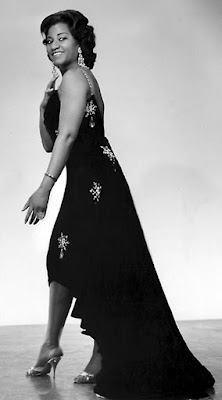
Our song this week is Guantanamera, a folk song from the island of Cuba. The title means a woman from Guantanamo, a place now notorious as an American prison. Guajira is Cuban slang for a woman from the country (a peasant woman) and is also a style of Cuban song. It is probably Cuba’s most famous song and has been recorded by many international artists including Joan Baez , José Feliciano , Wyclef Jean , Trini Lopez , Nana Mouskouri and Bobby Darin ; also by such groups as Los Lobos , and the Gipsy Kings . Our version is by Celia Cruz (pictured left), one of the most popular Latin American singers ever. The song has a background video of Cuban scenes and listed to her roll those Rs. Click here to see it. Guantanamera uses words from Cuban poet and independence fighter José Martí, who was killed fighting against Spanish troops in the Battle of Dos Ríos on May 19, 1895 while trying to liberate Cuba from Spanish imperial power. It was radio host José Fernández ...
I don't use Butterfly Spanish very much in class because Ana's lessons, although very thorough, are a little dull and very long. Here she is talking about the letters in the Spanish alphabet: https://youtu.be/hsLYD1Jyf3A And here is a shorter lesson covering the vowels: https://youtu.be/orOW9eRQfpE
We have all been there ... Someone says something to you and you have no idea what they’re talking about. Cue awkward silence, comic mimes and shrugs. Here are some words and phrases to learn. They might not help with your translation, but you won’t need to suffer an awkward silence. Don’t forget to stress the accents and remember, the Spanish pronounce every letter. No entiendo … I do not understand No te entendí … I did not understand you No entendí lo que dijiste … I did not understand what you said No sé la palabra … I do not know that word ¿Cómo se dice ---- en español? … How do you say ---- in Spanish? ¿Qué dijiste? … What did you say? Necesito ayuda por favor … I need help please ¿Disculpe qué dijo? … Pardon, you said? ¿Puedes ayudarme? … Can you help me? ¿Puedes repetir por favor? … Can you repeat please? Más despacio por favor … more slowly please.
Comments
Post a Comment