Posts

Homework - find the missing verbs

Find the missing verbs: Insert the missing verbs in the correct tense and conjugation. You choose whether to use the informal or formal tense where appropriate. ___ una cerveza, por favor … I want a beer please. ___ alquilar un coche, por favor … we want to rent a car please Yo ___ saber a qué hora el autobus sale para Madrid … I would like to know what time the bus leaves for Madrid. No ___ hacerlo … I did not wish to do it ___ ___ salir esta noche ... I have to go out tonight ¿Cuántos años ___ ella? ... how old is she? ¿___ un dolor de cabeza? … do you have a headache? ___ un buen viaje ... I had a good journey Estoy ___ con é l ahora ... I am speaking to him now ___ a ver a mi tía ayer ... we went to see my aunt yesterday ¿Quieres ___ conmigo? ... do you want to go with me? ___ a pagar con tarjeta ... I am going to pay by card ___ al cine esta noche ... we are going to the cinema tonight ¿Cuánto tiempo ___ _...
Lesson 7 notes - telling the time

Grupo Básico Español – lección siete Buenos días señores y señoras. Bienvenidos a la lección siete de la clase de español. Vamos a aprender a decir la hora. Primero tenemos un video . Did you click on the video. Do that now, watch the video and then come back to this article. To ask the time: ¿Qué hora es? To ask at what time: ¿A qué hora? Note that tiempo is weather and time, but when asking the time, we use the form above ¿Qué hora es? – literally “what is the hour”. Always use hora when talking about specific times such as the time of the day, the time a train leaves or coffee time ( la hora del café ). Use tiempo when talking about time as an abstract concept – no tengo tiempo (I don't have time) or tienes tiempo para tomar tu té antes de ir a las tiendas . Here are some useful time-related words. Hoy – today . Hoy, es martes. Mañana – tomorrow . Mañana es miercoles. Pasado mañana – the day after tomorrow . Pasado mañana, es...

Directions - Spanish lesson

Here's another useful video from Ouino, the language company. click here

Telling the time

Next week, we will be telling the time in Spanish. Make sure you revise your numbers - and there are 60 minutes in an hour, so we need to be able to count to 60!

Basic Spanish - lesson 6 Notes

Grupo Básico Español – lección seis Buenos días señores y señoras. Bienvenidos a la lección seis de la clase de español. Espero que hayan disfrutado de encontrara Spot la semana pasada. Entonces, empecemos de nuevo. La semana pasada, nos hicimos muchas preguntas ¿Veremos algunas de las respuestas? Demonstration: Te presento a mi nuera, Lucía. Ella es de Ecuador y nació en Quito, la ciudad capital. Lucía está casada y su marido es mi hijo Tom. Ellos tienen dos hijos, Julia y Aureliano. Lucía estudia antropología en Cambridge y además, ha estudiado en Lima, Bruselas y LSE en Londres. Su padre y su madre son médicos en Ecuador. Ella tiene tres hermanas – Emilia, Arlen y Camilla. We are now on Sueños 3 We are still building on our Spanish conversation. We now want to be able to describe the place where we live. City – la ciudad Town – el pueblo Village – el pueblo o la aldea District or area (of a town or city) – el distrito, el barrio. ...

Verb of the week: hacer

Verb of the week: hacer Hacer means 'to do' or 'to make' and it is one of the essential Spanish verbs to learn. It is used in many everyday situations, idiomatic expressions and also to discuss the weather! In English, we have two separate verbs for doing and making, but the Spanish make do with one. Here is the verb conjugated in present, past and future:                                         Present e                 Pret é rit o                 Futuro          yo                    ...

Guantanamera - the most famous song in the Spanish language

Image
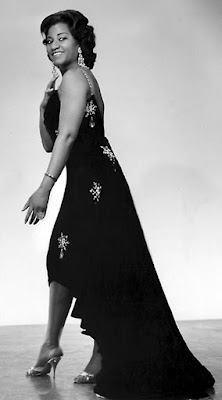
Our song this week is Guantanamera, a folk song from the island of Cuba. The title means a woman from Guantanamo, a place now notorious as an American prison. Guajira is Cuban slang for a woman from the country (a peasant woman) and is also a style of Cuban song. It is probably Cuba’s most famous song and has been recorded by many international artists including Joan Baez , José Feliciano , Wyclef Jean , Trini Lopez , Nana Mouskouri and Bobby Darin ; also by such groups as Los Lobos , and the Gipsy Kings . Our version is by Celia Cruz (pictured left), one of the most popular Latin American singers ever. The song has a background video of Cuban scenes and listed to her roll those Rs. Click here to see it. Guantanamera uses words from Cuban poet and independence fighter José   Martí, who was killed fighting against Spanish troops in the  Battle of Dos Ríos  on May 19, 1895 while trying to liberate Cuba from Spanish imperial power. It was radio host José Fernández ...